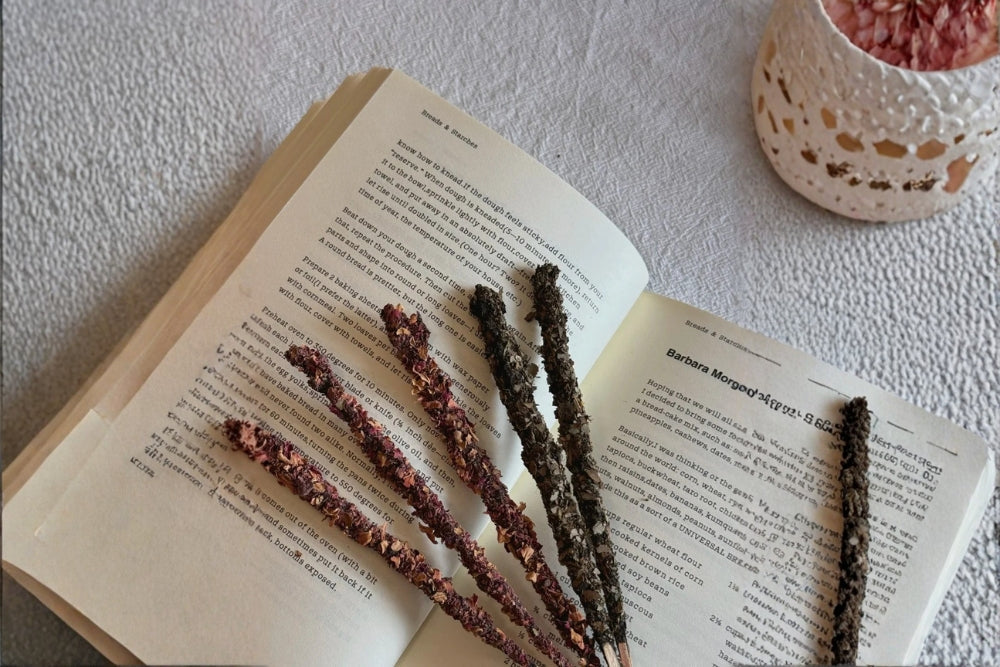
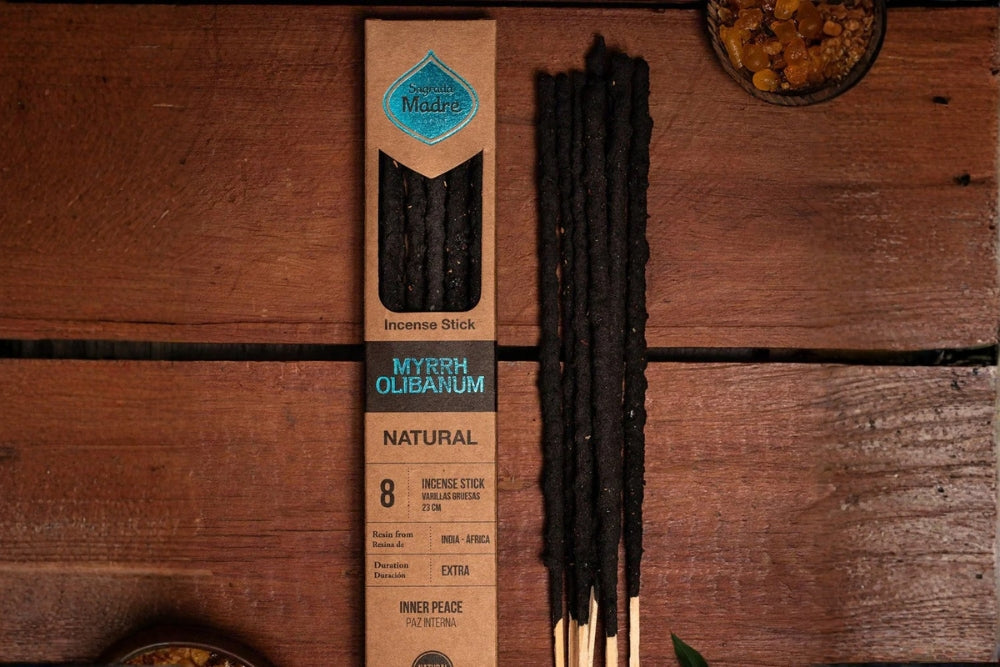
Incense has been used for thousands of years as a powerful symbol of prayer, purification, offering, and spiritual connection. From ancient temples to modern meditation rooms, incense continues to play an important role in religious ceremonies, wellness rituals, and home cleansing practices.
Whether you are using natural incense sticks, Palo Santo incense, resin incense, or handmade aromatic blends, the rising smoke often represents something deeper: a bridge between the physical world and the spiritual world.
Why Is Incense Used in Religion?
Across many cultures and religions, incense is more than just a pleasant fragrance. It carries symbolic meaning and is often used to create a sacred atmosphere.
The smoke of incense rising upward is commonly seen as a symbol of prayers, intentions, and offerings ascending to the divine. Its aroma helps transform an ordinary space into a place of reflection, reverence, and inner peace.
For this reason, incense is widely used in churches, temples, altars, meditation spaces, yoga studios, and spiritual homes around the world.
Main Spiritual Meanings of Incense
1. Prayer and Spiritual Connection
One of the most common meanings of incense is the connection between humans and the divine.
As the smoke rises, it symbolizes prayers, wishes, gratitude, and intentions moving upward. Many people burn incense during prayer, meditation, or personal rituals to feel more focused and spiritually connected.
This is why spiritual incense is often used during moments of reflection, devotion, and mindfulness.
2. Purification and Energy Cleansing
Incense is also strongly associated with purification.
In many traditions, incense is burned to cleanse sacred spaces, remove negative energy, and prepare an environment for prayer or meditation. Today, many people use incense for cleansing their homes, workspaces, yoga rooms, or personal altars.
Natural aromas such as Palo Santo, frankincense, myrrh, sandalwood, lavender, and copal are especially popular for spiritual cleansing and energetic balance.
3. Offering and Respect
In religious and spiritual traditions, incense is often used as an offering.
Burning incense can represent respect, devotion, gratitude, and humility. The fragrance is offered to deities, ancestors, spirits, or sacred figures as a symbolic gift.
This practice can be found in many cultures, from ancient civilizations to modern spiritual rituals.
4. Meditation and Inner Peace
The scent of incense can help create a calm and focused atmosphere.
Many people use incense for meditation, yoga, journaling, prayer, or relaxation. A familiar aroma can signal the mind and body to slow down, breathe deeply, and enter a more peaceful state.
This is one reason why natural incense sticks are becoming increasingly popular in wellness spaces and conscious lifestyle routines.
Incense in Different Religious Traditions
Incense in Christianity
Incense has a long history in Christianity. It is mentioned in the Bible and is traditionally associated with prayer, worship, and sacred ceremony.
In Catholic and Orthodox liturgies, incense is often used during Mass and religious services. The smoke represents the prayers of the faithful rising toward heaven. It may also be used during funerals to honor the deceased and show reverence.
Incense in Islam
In many Islamic cultures, incense and aromatic resins are used to create a clean, welcoming, and respectful atmosphere.
Although practices may vary by region, incense is often associated with hospitality, purification, and special occasions. Fragrances such as bakhoor, oud, and other aromatic woods are especially valued in many Muslim communities.
Incense in Ancient Egypt and Mesopotamia
Ancient civilizations also used incense in temples, ceremonies, and funerary rites.
In Ancient Egypt, incense was burned to honor the gods, purify spaces, and accompany rituals for the dead. In Mesopotamia, incense was used in temples as part of offerings to deities.
These ancient traditions show how deeply incense has been connected to spirituality, protection, and sacred ceremony throughout human history.
Modern Uses of Incense Today
Today, incense is not only used in religious settings. Many people burn incense at home as part of their daily wellness routine.
Common modern uses include:
- Home cleansing and energy clearing
- Meditation and yoga practice
- Relaxation after work
- Creating a peaceful atmosphere
- Spiritual rituals and altar work
- Aromatherapy-inspired routines
- Enhancing focus while reading or journaling
As interest in natural living and mindfulness grows, more people are choosing handmade incense, natural incense sticks, and botanical incense blends made with woods, herbs, resins, and essential oils.
Choosing the Right Incense for Your Ritual
Different incense aromas can support different intentions.
For example, Palo Santo incense is often used for cleansing and grounding. Lavender incense is popular for relaxation and sleep rituals. Frankincense and myrrh incense are often associated with prayer, protection, and sacred ceremony. Sandalwood incense is widely used for meditation and spiritual focus.
When choosing incense, consider your intention: Do you want to cleanse your space, relax your mind, support meditation, or create a sacred atmosphere?
Discover Natural Incense for Your Spiritual Practice
Incense carries a rich history of prayer, purification, offering, and inner peace. Whether you use it for religious rituals, meditation, home fragrance, or energy cleansing, incense can help create a meaningful atmosphere in your daily life.
At our store, we offer a carefully selected range of natural incense, spiritual incense sticks, Palo Santo incense, cleansing incense, and aromatic ritual products for your home, altar, meditation space, or wellness routine.
Explore our digital catalog and discover the incense that best matches your intention.